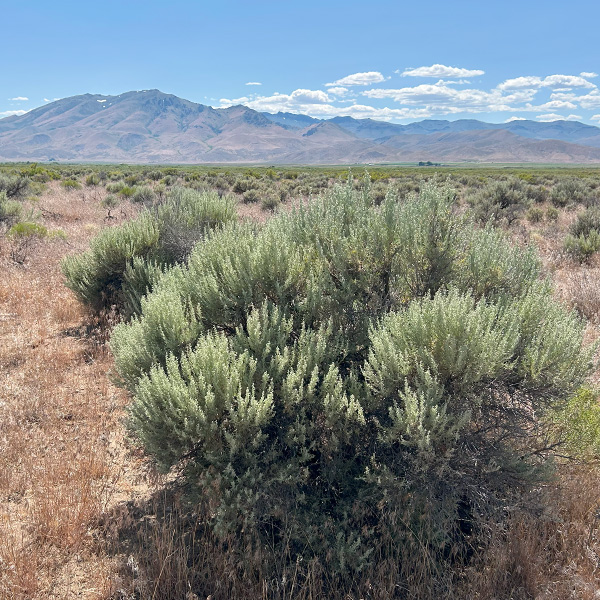
Natural and Working Lands Priority Habitats:
Sagebrush Biome
Limiting Factors:
- Invasive annual grasses
- Conifer Encroachment
- Altered fire regimes
- Habitat Fragmentation
- Impacts of overgrazing
- Climate Change
- Development pressures
- Loss of keystone species
Restoration actions:
- Invasive species management
- Annual grass and noxious weed herbicide treatments
- Juniper removal
- Native plant restoration: bunchgrasses, forbs, and shrubs
- Post-wildfire recovery: seeding/planting, annual grass detection and treatment
- Riparian area restoration and protection
- Native plantings- willows, cottonwoods, elderberry, etc.
- Adaptive grazing management
- Wildlife corridor restoration/protection
Where to prioritize:
- Areas with high climate resistance and resilience (check out the SageCon Landscape Planning Tool)
- Intact areas with minimal impacts from invasive annual grasses
- Wildlife corridors
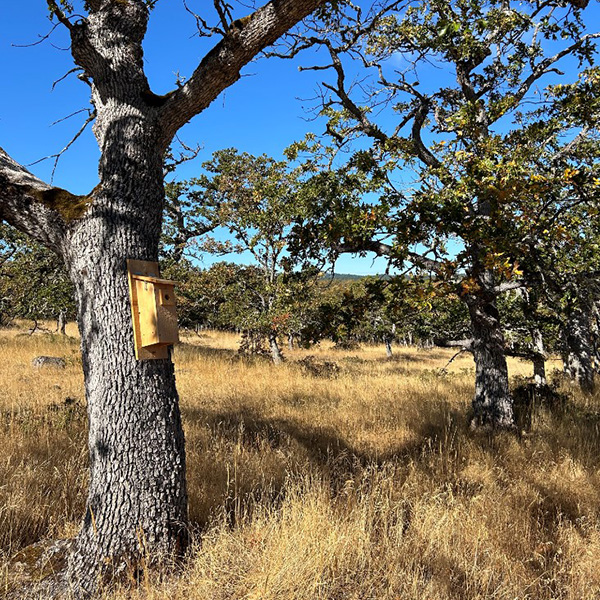
Oak and Prairie
Limiting Factors:
- Habitat loss and fragmentation
- Fire suppression and altered fire regimes
- Invasive species and conifer encroachment
- Increased drought
- Pests and disease
- Lack of oak regeneration
Restoration actions:
- Invasive species control
- Selective thinning
- Native and drought resilient vegetation plantings
- Supporting/managing oak regenerations
- Managing oak resprout
- Grazing management
- Prescribed burning
Where to prioritize:
- Intact habitats, areas with mature oaks and legacy features
- Connectivity corridors
- Trailing edge of range
- Oaks experiencing conifer encroachment
- Fire ready (prescribed or wildfire)
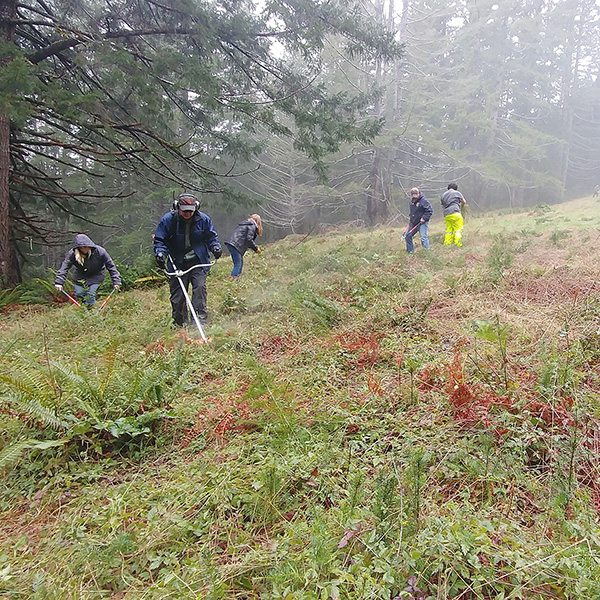
Coastal habitats:
Limiting Factors:
- Agricultural conversion
- Rising sea levels
- Warming ocean and stream temperatures
- Development
- Flood risk
- Water quality
- Permitting requirements/timelines
Restoration actions:
- Acquisition or conservation easements of at-risk tidal wetlands
- Reconnecting tidal flow, removing or modifying dikes, culverts, levees, or tide gates
- Restoring native salt marsh, estuarine vegetation, eelgrass beds, and spruce swamps
- Removing invasive species and replanting natives
Where to prioritize:
- Areas modeled to be marshland or wetland in the future assuming sea level rise (check out the NOAA Sea Level Rise Viewer)
- Eelgrass beds
- Spruce swamp forests
- Tide gate projects that promote extensive tidal wetland reconnection and native plant restoration
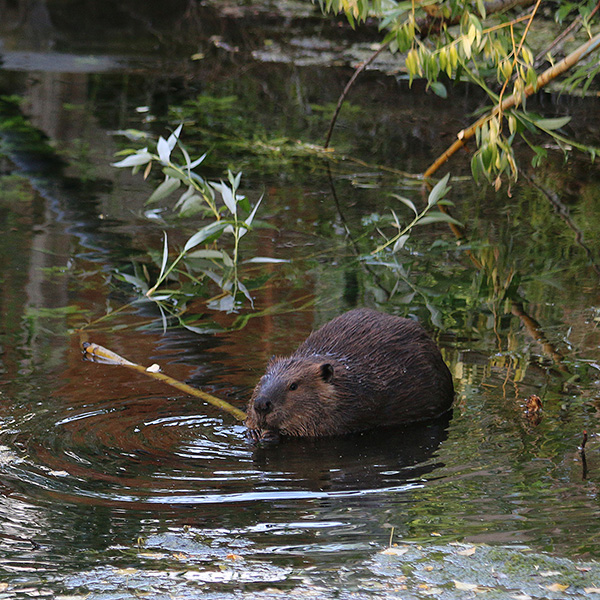
Beaver modified habitats:
Limiting Factors:
- Beaver were extirpated from much of their historic range in Oregon
- Altered stream channels and hydrology
- Degraded habitat and unsuitable forage quantity
- Infrastructure
- Beaver/human conflict
Restoration actions:
- Hydrologic restoration
- Removing stream-altering structures
- Removing artificial drainage
- Install beaver dam analogues (BDAs) or post-assisted log structures (PALS)
- Enhance riparian vegetation
- Forage and building materials- willows, cottonwoods, aspens
- Beaver/human co-existence strategies (check out Living with Wildlife: American Beaver)
Where to prioritize:
- ODFW Beaver Emphasis Areas
- Habitat enhancement near beaver occupied areas
- Suitable topography (generally wide valley bottom and gentle gradient)